
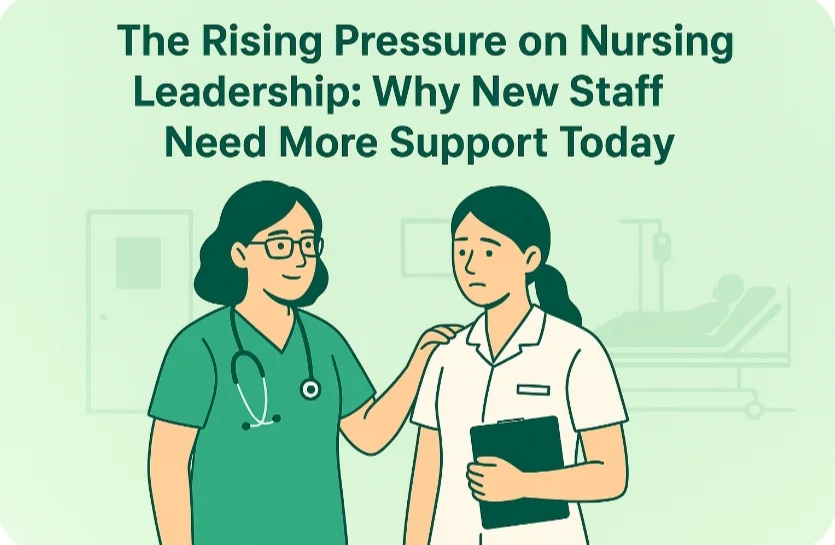
The Rising Pressure on Nursing Leadership: Why New Staff Need More Support Today
—Meta Description
Discover why modern nurse leaders face increasing pressure while guiding newly joined staff. Learn the factors behind rising workloads, skill gaps, documentation demands, and how healthcare facilities can support effective nurse leadership. A must-read for nurses, managers, and healthcare administrators.
—The Rising Pressure on Nursing Leadership: Why New Staff Need More Support
TodayHealthcare is changing every single day—and nursing leadership is feeling the impact the most. Whether you are a Team Leader, Nurse Manager, Senior In-Charge, or Nursing Supervisor, your role is becoming more demanding, complex, and emotionally draining.One of the biggest challenges today is supporting newly joined staff—fresh graduates, new hires, or nurses transitioning from other departments. While nursing has always required training and supervision, the current healthcare environment has made leadership responsibilities heavier than ever before.

This blog explores why today’s nurse leaders need more effort, time, and energy to guide new staff—and what can be done to strengthen support systems.
––1. Healthcare Workload Has Increased DramaticallyModern healthcare is no longer what it was 10 or even 5 years ago.Hospitals are busier, patient numbers are increasing, and cases are more complex. This means leaders are juggling:
Higher patient acuity
Short staffing
Emergency admissions
Complicated medication
regimensMore documentation
Strict quality and safety auditsL
eaders must support their teams while ensuring zero compromises in patient safety. New staff often struggle to keep up, so leaders spend extra time on:
Repeated teaching
Supervising procedures
Checking documentation
Monitoring patient care
qualityImmediate correction of errors
This additional burden naturally increases leader workload.
––2. The New Generation of Nurses Has a Different Learning StyleToday’s newly joined nurses come with:
High theoretical knowledge
Good digital literacyEnthusiasm and confidence
But many lack:Practical hands-on skills
Real-time decision-making
abilityConfidence in emergencies
Exposure to high-pressure situations
Communication skills for difficult
patientsProfessional discipline Because of this, leaders must provide step-by-step guidance, continuous mentoring, and emotional support.
Why this generation needs more supervision
Many training institutes focus more on theory than practice.Nurses rely on videos but lack bedside experience.Less clinical exposure during pandemic years.Digital distractions reduce focus and task prioritization.The shift in learning style requires leaders to adapt their teaching method—making orientation programs more intensive.
––3. Increased Institutional Policies & Documentation WorkToday’s healthcare standards demand:
NABH/JCI protocolsPatient safety goals
Incident reportingMedication audits
Infection control documentation
Handover checklistsTime-out protocols
New nurses often struggle with these requirements, leading to:
Errors in documentation
Missed signatures
Incomplete assessments
Wrong entries
Nurse leaders must constantly review and correct their work, adding extra responsibility every shift.
—4. Communication Challenges Are IncreasingNew staff often face:
Difficulty communicating with doctors Hesitation in taking orders
Fear of asking questions
Inability to speak up during emergencies
Struggles with patient/relative
communication Leaders must constantly:
Teach professional communicationGuide how to take telephone orders safely Resolve conflicts
Support nurses who feel overwhelmed
This emotional labour is now a major part of nursing leadership.
––5. The Experienced Nurse Gap Is Growing Many senior nurses are:
Retiring Moving abroadTransitioning to ICU, dialysis,
OT Leaving due to burnoutThis creates a gap in experienced mentoring staff, leaving leaders with more responsibilities:
Training newcomers
Monitoring patient care quality
Covering staff shortages
Balancing workloads
Ensuring competency building With fewer experienced nurses on the floor, new staff rely heavily on leaders for guidance.
—-6. Increasing Focus on Patient Satisfaction Scores Hospitals now prioritize:
Patient experience Communication quality
Zero complaints
Fast serviceNew nurses often struggle with:
Handling demanding patients
Managing expectations
Explaining procedures
Staying calm during conflicts
Leaders step in repeatedly to support new staff, preventing service issues and complaints.
—7. Technology Overload Is Confusing for New Staff Modern hospitals use:
Electronic health records
Digital medication charts
Nursing apps Devices with advanced monitors
Automated pumps and ventilators
New nurses often feel overwhelmed, and leaders spend extra time training them on:
Device safetyAlarm management
Entering data correctly
Avoiding digital errors
Understanding machine readings
––8. The Emotional Health of New Nurses Needs AttentionToday’s nurses face:
Performance anxietyFear of criticism
Self-doubt Difficulty
adjusting to shift dutiesWork
–life imbalanceLeaders act as coaches, motivators, and counsellors. They must:
Boost confidence
Address stress
Mediate conflicts
Reassure and guideEncourage professional growth
This emotional support takes significant energy and time.
––9. Increased Accountability on LeadersAny error, incident, or complaint often leads to questions for:
Team LeadersNurse ManagersWard InchargesSupervisorsLeaders are expected to:
Prevent errors
Train staff
Maintain standards
Monitor daily performance
This pressure forces them to stay extra alert and give more direct supervision to new staff.
––10. Hospitals Expect Faster Competency Development
Earlier, a new nurse took 6–12 months to fully adjust.Now hospitals expect full performance in 2–3 months.To meet this expectation, leaders must:
Accelerate trainingConduct daily skill checks
Provide continuous feedback
Prepare nurses for independent duty quickly
This fast-track environment puts additional pressure on leadership.

—How Nurse Leaders Can Manage This Rising PressureHere are some practical, effective strategies:
1. Structured Orientation ProgramA 30–45 day training plan with:Daily skill trainingProcedure checklistsHands-on practice Shadowing periodsWeekly competency assessments
2. Mentorship Model Pair new staff with experienced nurses for 2–3 weeks.
3. Digital Learning ResourcesProvide:VideosSOPsSkill pocket guidesQuick checklists
4. Create WhatsApp groups for:Protocol updatesQuick clarificationsEmergency communication
5. Promote a Supportive CultureMake the environment:Non-judgmentalCooperativeLearning-focused
6. Time for Emotional SupportLeaders should talk to new staff:At shift endDuring breaksWeekly review meetings
7. Recognize Small ImprovementsReward:Good communicationCorrect documentationSafe patient careProfessional behaviourSmall appreciation boosts morale and confidence.
—Conclusion
Nursing leadership is no longer just about managing a ward—it’s about building future nurses, ensuring patient safety, maintaining quality, handling emergencies, and balancing documentation demands.Today’s healthcare system is more complex than ever, and new nurses need more support, training, and emotional guidance. This naturally increases the workload and pressure on nurse leaders.But with structured training, strong mentorship, teamwork, and a supportive environment, leaders can shape confident, skilled, and compassionate nurses who deliver excellent patient care.Nurse leaders are the backbone of hospital quality—and their effort is shaping the future of healthcare.
—FAQs (Frequently Asked Questions)
1. Why do new nurses need more support today?
Because healthcare has become more complex, documentation has increased, patients are more aware, and many training institutes focus more on theory than hands-on skills.
2. What challenges do nurse leaders face with new staff?
They face increased supervision needs, skill gaps, communication issues, documentation errors, and emotional stress management.
3. How can hospitals support nurse leaders?
By providing structured orientation programs, mentorship systems, skill training sessions, and reducing extra non-clinical workload.
4. Why is documentation difficult for new nurses?
New nurses are unfamiliar with protocols, digital systems, and quality standards, leading to frequent mistakes.
5. What is the best way to train newly joined nurses?
A combination of hands-on practice, daily checklists, mentorship, and continuous feedback works best.